Florida Learning HubBefore There Were Highways and Subdivisions
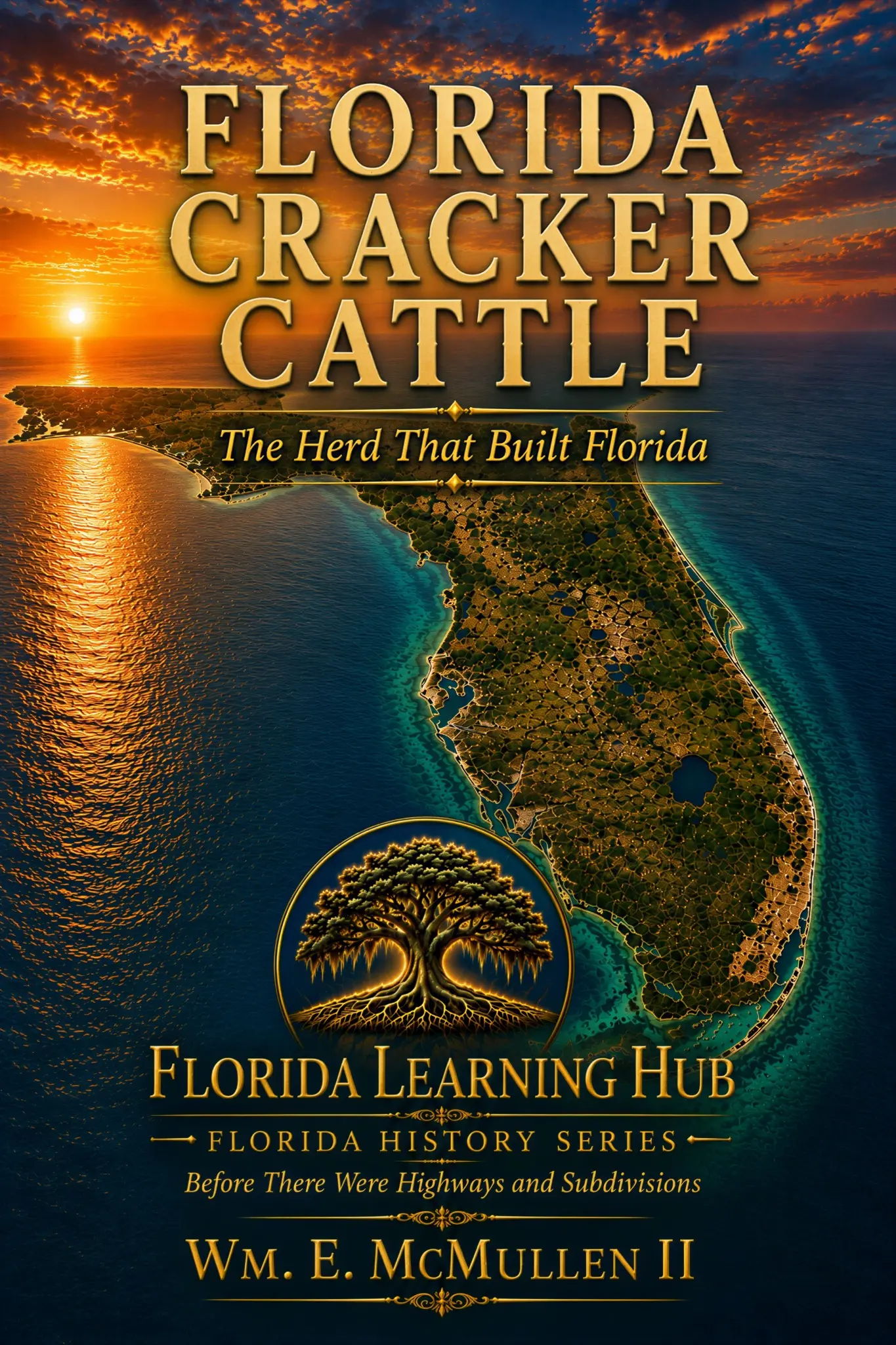
Florida Learning Hub · Published Books

Florida History Books

Explore Florida Learning Hub's growing collection of books about the people, cattle, ports, communities, and pioneer families that shaped Florida before the highways and subdivisions.

These published books are separate from the free FLH Article Library and the FLH Classroom Resources series.

Three Ways to Explore Florida Learning Hub

FLH Articles
Free Florida history Minis and long-form feature articles.
Browse Articles
Florida History Books
Published Florida-history books and heritage titles.
Classroom Resources
Student journals, guided workbooks, science, STEM, reading, writing, and research tools.
Browse Classroom Resources
Florida Cattle Heritage · Pioneer Florida

Published Florida Learning Hub History Titles

Catalog audit: nine Florida Learning Hub history titles are in the published KDP program. Retail links and individual cover images will be added as each listing and web-ready cover asset is confirmed.

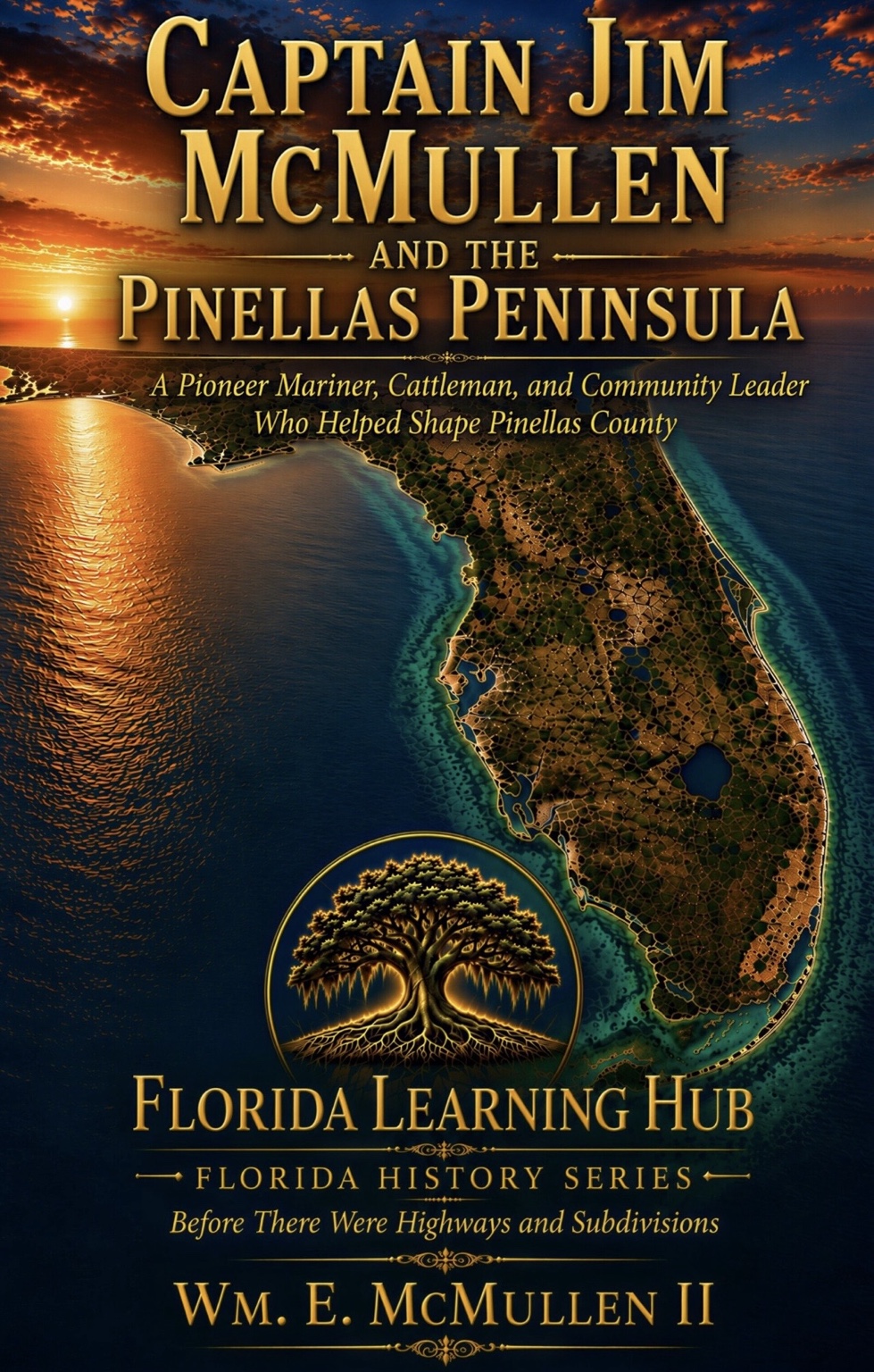
Cover of Before Texas: Florida’s First Cattle Empire

Before Texas: Florida's First Cattle Empire

Book Description

Before Texas became synonymous with cattle, Florida had already built a cattle empire of its own.

Beginning with Spanish livestock introduced to Florida in the sixteenth century, cattle became part of a growing colonial economy centered around St. Augustine and eventually spread across Florida’s prairies, pine flatwoods, and open range. Long before the great cattle drives of the American West, generations of Florida cattlemen and cow hunters were raising, gathering, driving, and trading cattle across the peninsula.

Before Texas: Florida’s First Cattle Empire explores this often-overlooked chapter of American history—from Florida’s earliest Spanish cattle and colonial ranches to the development of a thriving open-range cattle industry.

Discover how Florida cattle survived a demanding landscape, how cattlemen managed enormous unfenced ranges, and how horses, dogs, whips, brands, and generations of hard-earned knowledge became essential tools of the trade. Follow the growth of cattle routes and markets that connected Florida ranches with coastal shipping points and helped send Florida beef across the Gulf to Cuba and other markets.

The story also reveals why Florida’s cattle history matters far beyond the state itself. The cattle culture later made famous by the American West had important earlier chapters—and one of the oldest unfolded in Florida.

Carefully researched and richly illustrated, Before Texas: Florida’s First Cattle Empire brings together the cattle, cow hunters, trade networks, landscapes, and traditions that helped build Florida long before highways and subdivisions transformed the state.

Part of the Florida History Series — Before There Were Highways and Subdivisions

See the Book on Amazon
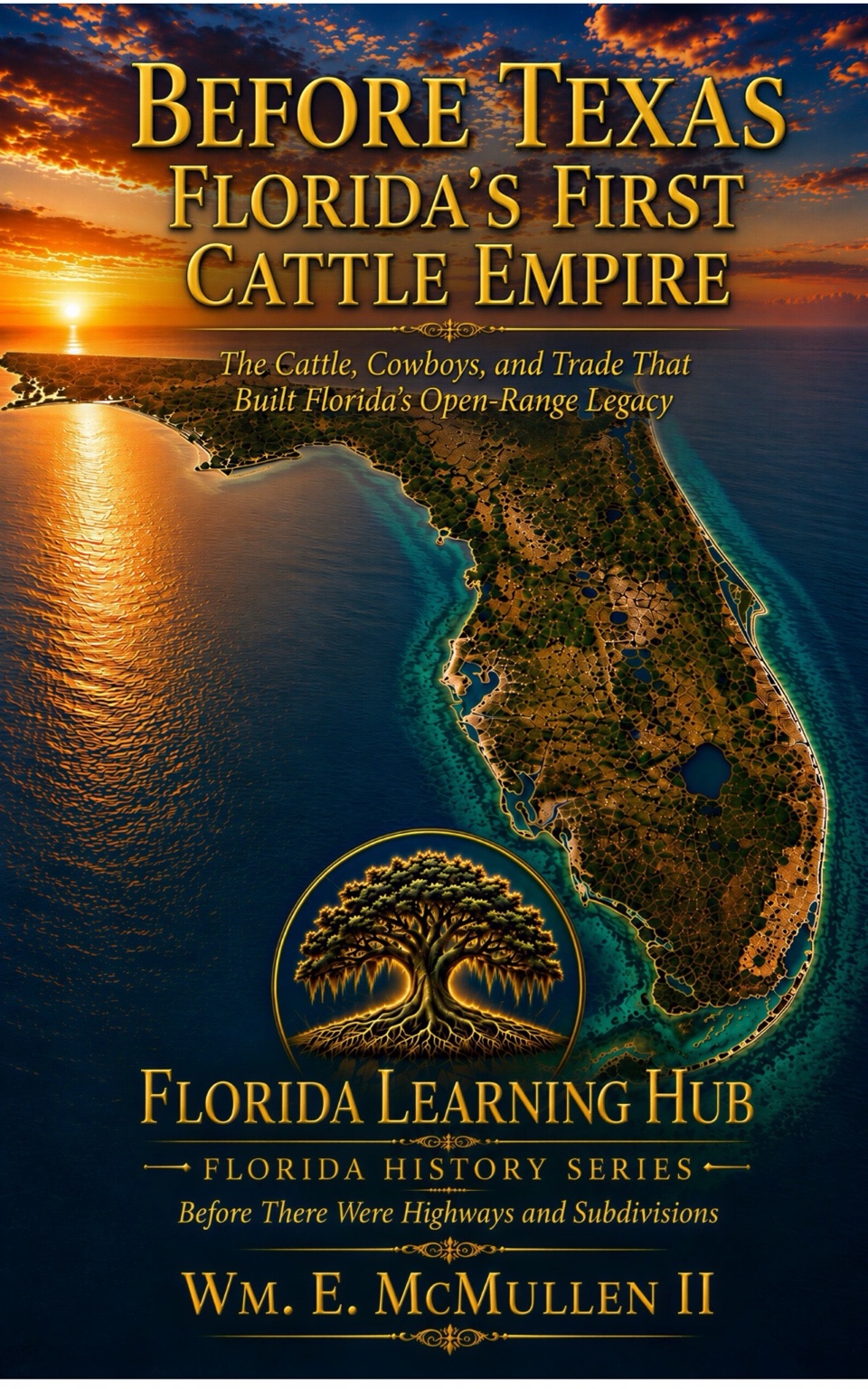
Cover of Captain Jim McMullen and the Pinellas Peninsula

Captain Jim McMullen and the Pinellas Peninsula

Book Description

Before Pinellas County had cities, highways, and subdivisions, pioneers like Captain Jim McMullen were helping shape the peninsula.

Captain Jim McMullen and the Pinellas Peninsula tells the story of an early Florida pioneer whose life became intertwined with the development of the region that would eventually become Pinellas County.

A mariner, cattleman, farmer, and community leader, Captain Jim lived during a period when Florida’s Gulf Coast was still largely defined by open land, scattered settlements, waterways, cattle ranges, and emerging citrus groves. His story provides a window into the everyday realities of building a life and a community on the nineteenth-century Florida frontier.

From cattle and agriculture to transportation, settlement, and community development, this book explores Captain Jim’s life within the larger transformation of the Pinellas Peninsula. It also examines the people, places, and activities that connected isolated pioneer homesteads and helped lay the foundations for communities that followed.

Carefully researched and richly illustrated with historical photographs, archival material, and interpretive imagery, Captain Jim McMullen and the Pinellas Peninsula brings one Florida pioneer’s story into the broader history of Florida’s Gulf Coast.

It is a story of family, persistence, opportunity, and a rapidly changing peninsula—and of the generations who helped build Florida long before the landscape became familiar to us today.

Part of the Florida History Series — Before There Were Highways and Subdivisions.
See the Book on Amazon
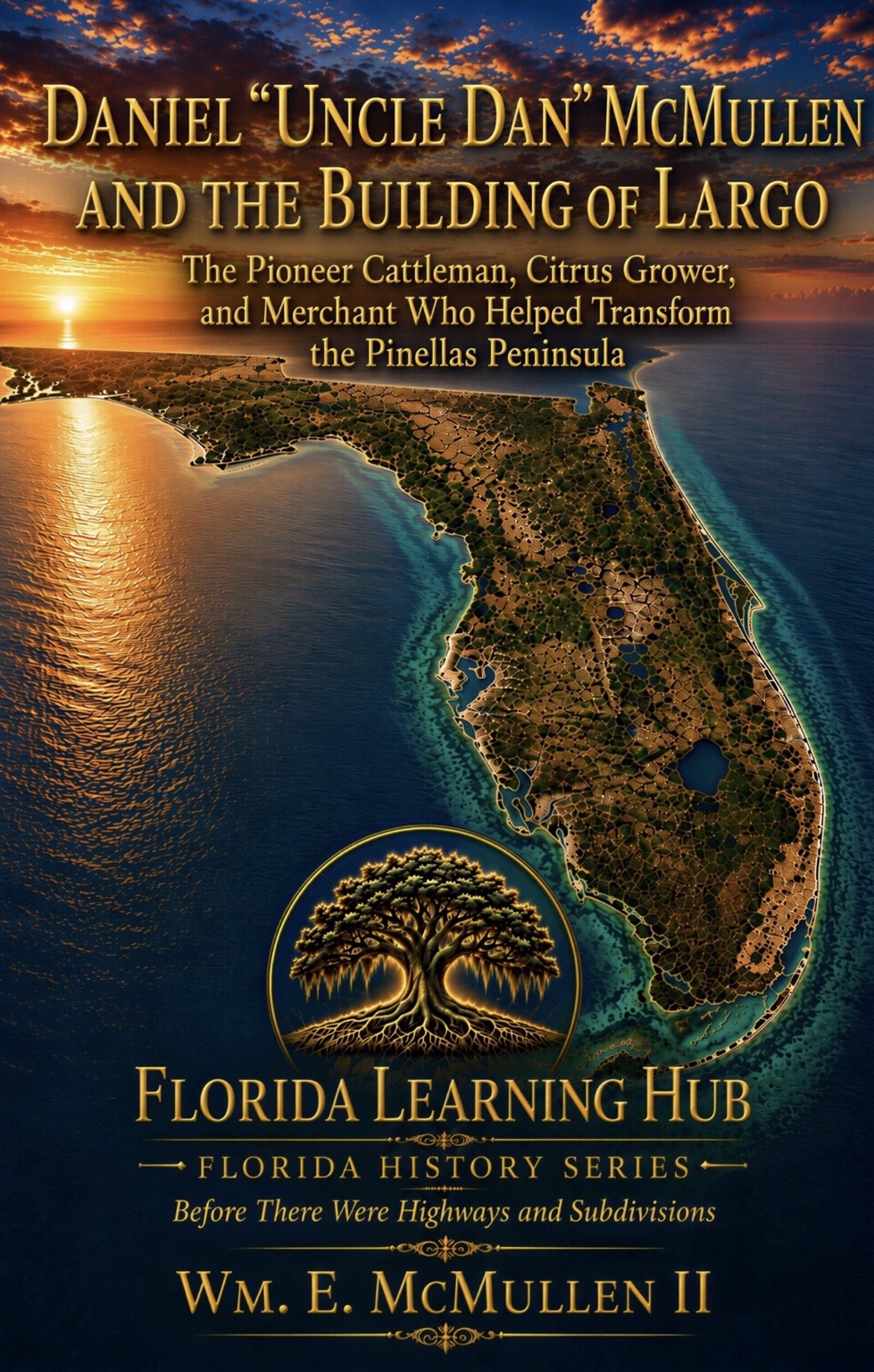
Cover of Daniel Uncle Dan McMullen and the Building of Largo

Daniel “Uncle Dan” McMullen and the Building of Largo

Book Description

Long before the Pinellas Peninsula became one of Florida’s most densely populated regions, pioneers like Daniel McMullen were helping shape its economy and communities.

A member of one of the area’s early pioneer families, McMullen built his life around the industries that defined nineteenth-century Florida: cattle, citrus, land, and local commerce. His story reflects the transformation of the Pinellas frontier from scattered homesteads and open-range cattle country into a developing network of farms, groves, businesses, and settlements.

Daniel McMullen explores the life and work of a Florida pioneer whose contributions reached beyond a single occupation. As a cattleman, citrus grower, merchant, and community figure, he participated directly in the economic growth that helped transform the Pinellas Peninsula.

Part of the Florida History Series — Before There Were Highways and Subdivisions, this book preserves the stories of the people, industries, and communities that built Florida before modern highways, subdivisions, and cities reshaped the landscape.

See the Book on Amazon
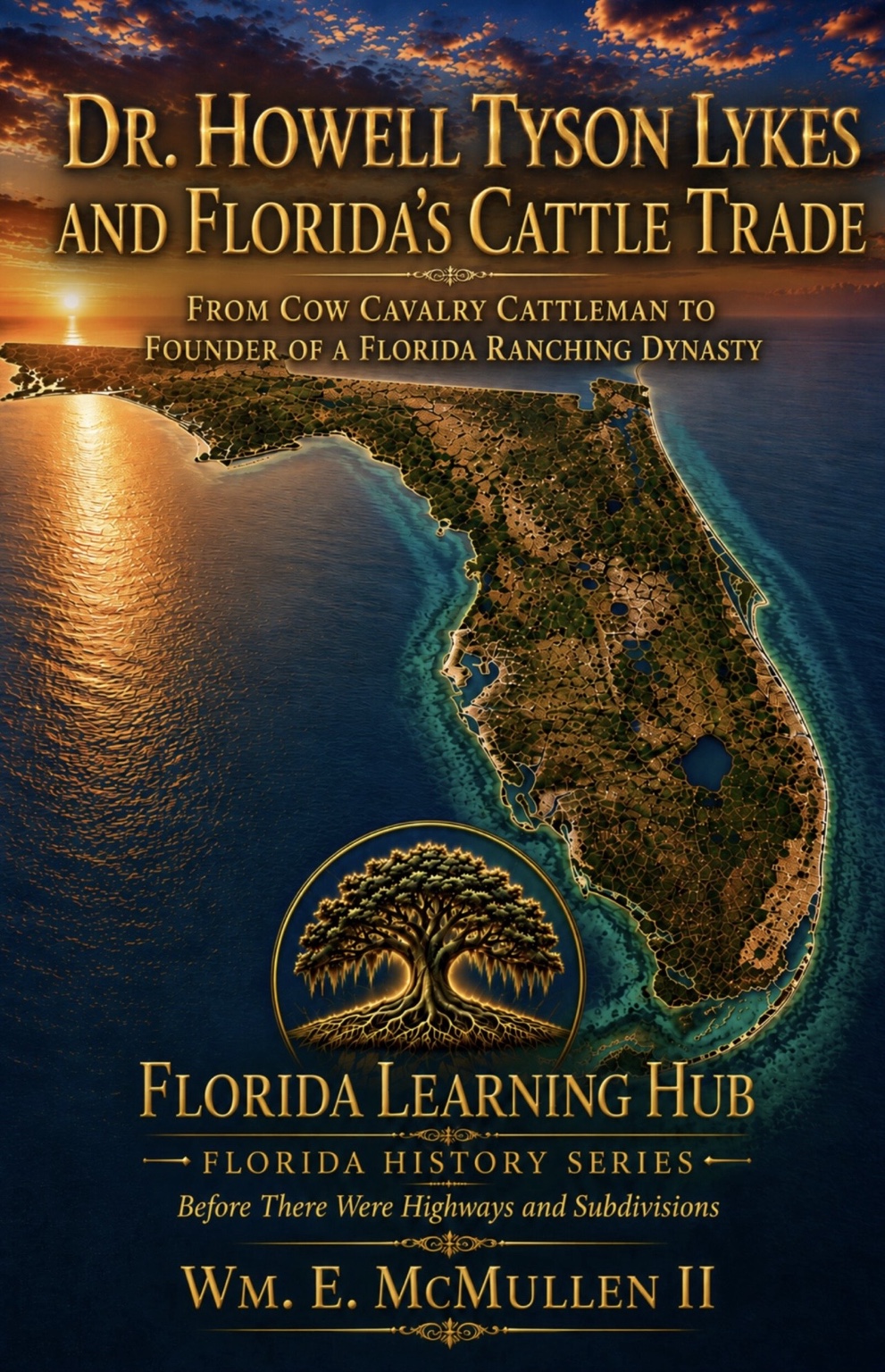
Cover of Dr. Howell Tyson Lykes and Florida’s Cattle Trade

Dr. Howell Tyson Lykes and Florida's Cattle Trade

Book Description

Dr. Howell Tyson Lykes was more than a physician, cattleman, and Confederate veteran. He became the patriarch of one of Florida’s most enduring ranching and business families.

Born into a rapidly changing nineteenth-century Florida, Lykes came of age when cattle were driven across open range, transported to Gulf ports, and shipped to Cuba. His experience with cattle during the Civil War era helped prepare him for the life he would build afterward—one rooted in livestock, land, family enterprise, and the expanding economy of South Florida.

His marriage to Almeria Belle McKay, daughter of Tampa cattle merchant and ship captain James McKay Sr., connected two important families in Florida’s early cattle and maritime history. From those beginnings grew the Lykes family enterprise, eventually associated with ranching, shipping, citrus, banking, and international commerce.

Dr. Howell Tyson Lykes: From Cow Cavalry Cattleman to Founder of a Florida Ranching Dynasty explores the man behind that legacy and the cattle culture that helped shape modern Florida.

This volume is part of the Florida History Series — Before There Were Highways and Subdivisions

See the Book on Amazon
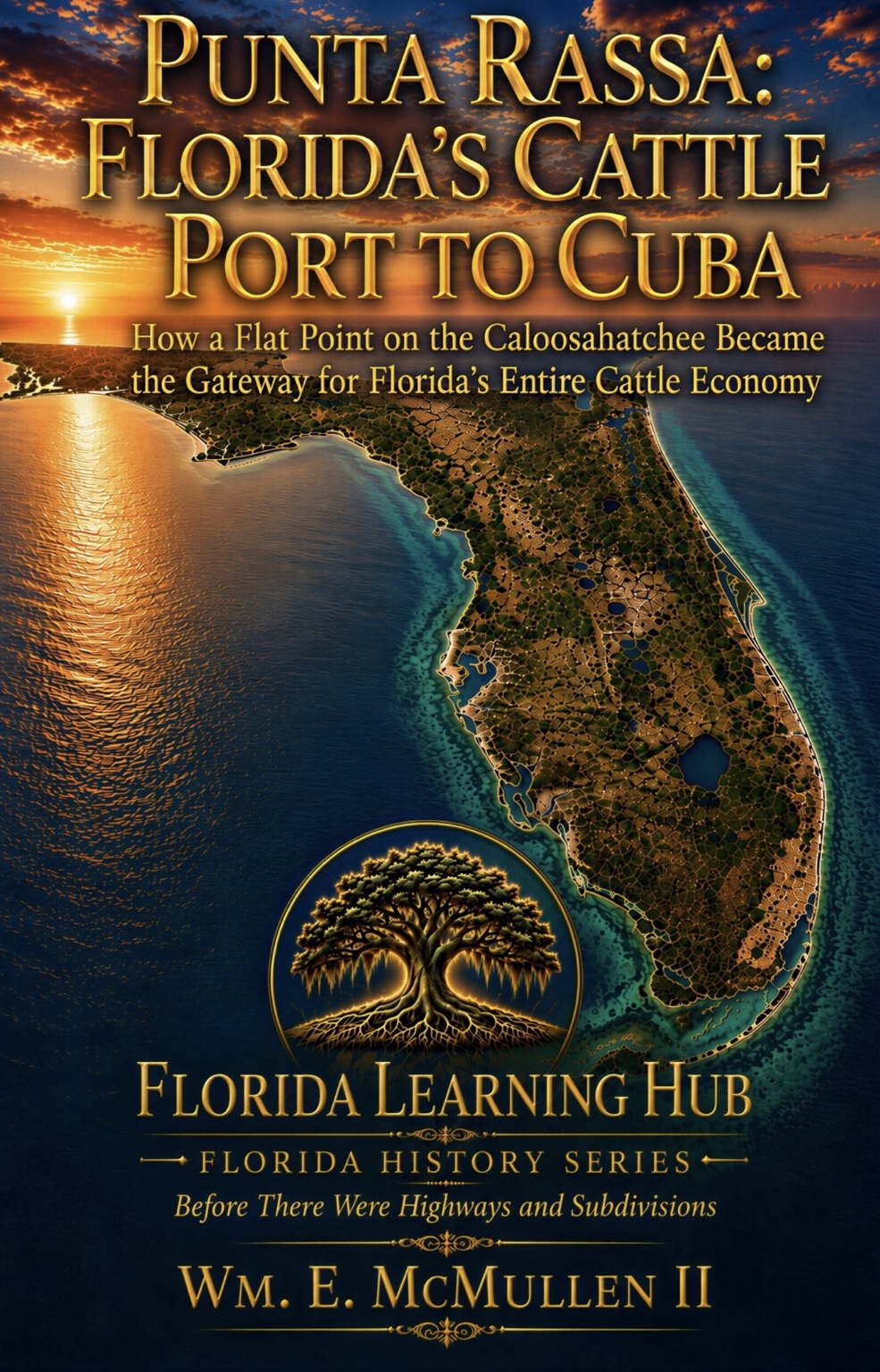
Cover of Punta Rassa: Florida’s Cattle Port to Cuba

Punta Rassa: Florida's Cattle Port to Cuba

Book Description

Punta Rassa was once one of the most important cattle shipping points in Florida.

Long before highways, bridges, and modern ports transformed Southwest Florida, cattlemen drove herds across the peninsula toward this low point of land near the mouth of the Caloosahatchee River. From there, Florida cattle were loaded aboard vessels bound for Cuba, linking inland ranches to an international market.

Punta Rassa: Florida’s Cattle Port to Cuba tells the story of the place where cattle drives, Gulf shipping, frontier commerce, and Florida’s early ranching economy came together. It explores the cattlemen, merchants, ships, trails, and trade networks that made Punta Rassa a crucial outlet for Florida beef during the nineteenth century.

More than a remote cattle landing, Punta Rassa became a gateway through which Florida’s cattle economy reached beyond the peninsula.

This volume is part of the Florida History Series — Before There Were Highways and Subdivisions

See the Book on Amazon
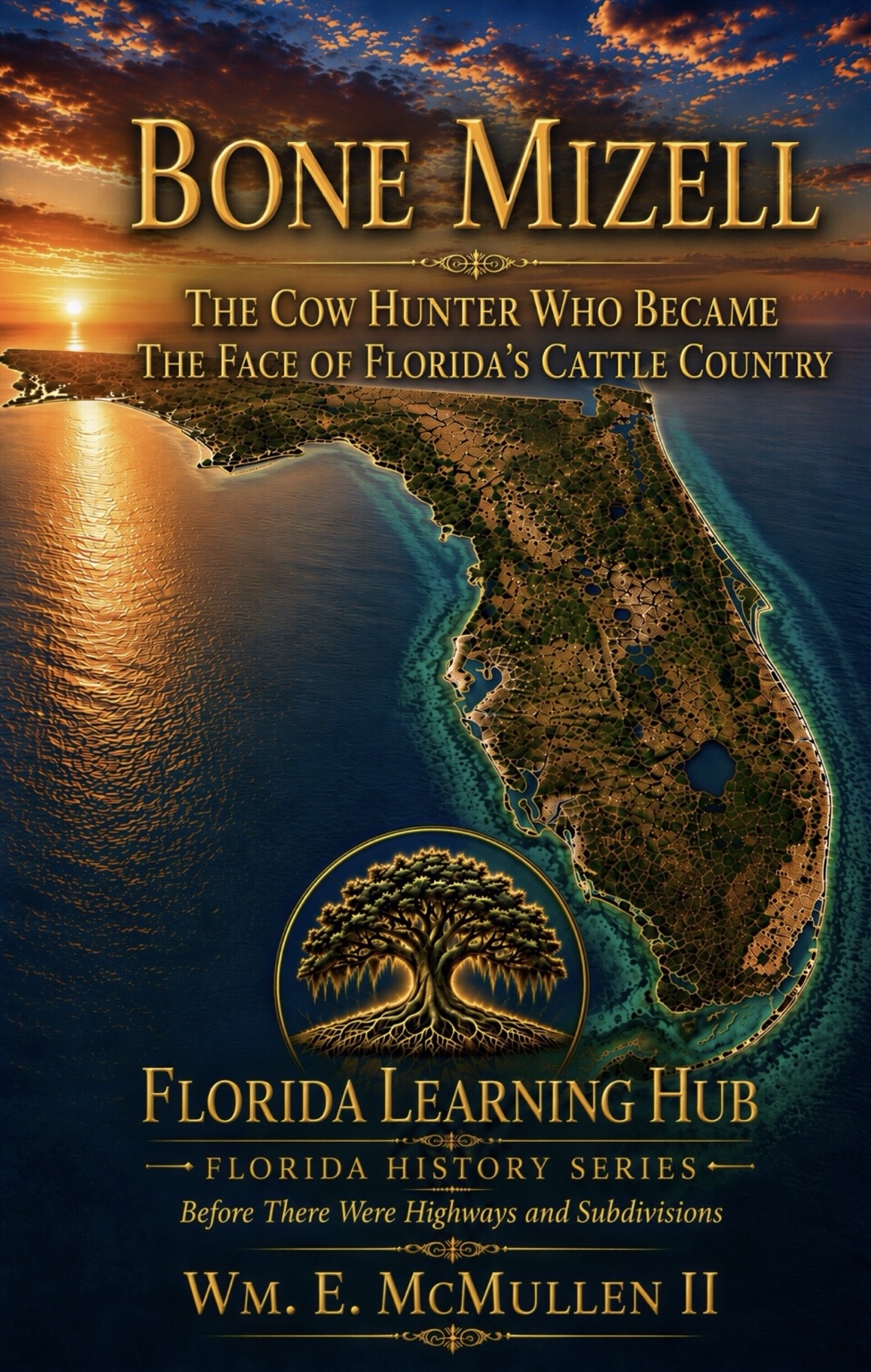
Cover of Bone Mizell: The Cow Hunter Who Became the Face of Florida’s Cattle Country

Bone Mizell

Book Description

Bone Mizell was one of the most colorful figures ever to ride through Florida’s cattle country.

Born into the open-range world of nineteenth-century Florida, Bone became a legendary cow hunter, cattleman, practical joker, marksman, and larger-than-life character whose reputation spread far beyond the ranges where he worked. His story reflects a time when cattle roamed enormous stretches of unfenced land, cow hunters relied on horses, dogs, whips, and hard-earned knowledge, and Florida’s cattle industry was helping shape the state long before highways, subdivisions, and modern ranches transformed the landscape.

But behind the stories and legends was a real man living through a remarkable period in Florida history.

Bone Mizell — The Cow Hunter Who Became the Face of Florida’s Cattle Country explores the world that produced him: Florida’s open-range cattle culture, frontier communities, working cow hunters, cattle drives, local rivalries, humor, hardship, and the changing landscape of the late nineteenth and early twentieth centuries.

Rather than separating Bone Mizell from his times, this book places him firmly within the larger story of Florida ranching and cattle history. It examines how folklore grew around him, why his personality became so memorable, and how his image came to represent the independent spirit associated with Florida’s old cattle country.

Written for general readers, students, teachers, Florida history enthusiasts, and anyone interested in the state’s ranching heritage, this book preserves the story of one of Florida’s most unforgettable cattlemen.

Part of the Florida History Series — Before There Were Highways and Subdivisions.
See the Book on Amazon
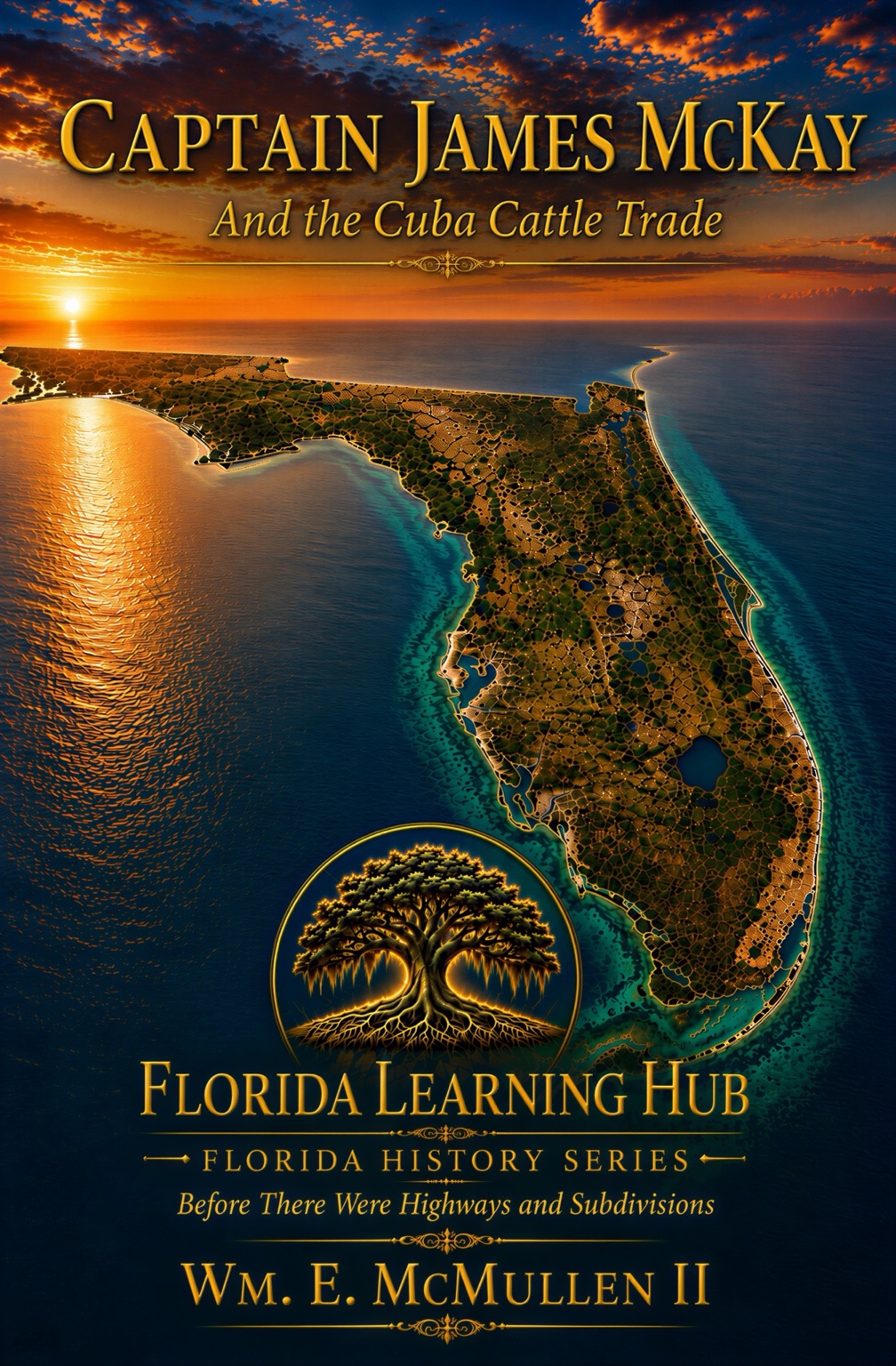
Cover of Captain James McKay and the Cuba Cattle Trade

Captain James McKay and the Cuba Cattle Trade

Book Description

Before Florida became known for beaches, tourism, and sprawling cities, cattle helped build its economy — and Captain James McKay helped connect that cattle industry to Cuba.

A Tampa shipmaster, merchant, civic leader, and cattle exporter, McKay became one of the most important figures in Florida’s nineteenth-century Gulf trade. Using Tampa Bay as a gateway, he helped move Florida cattle across the Gulf of Mexico to the Cuban market, creating commercial connections that strengthened both Tampa and Florida’s growing cattle industry.

Captain James McKay and the Cuba Cattle Trade explores McKay’s remarkable career, his role in Tampa’s early development, his involvement in cattle shipping and maritime commerce, and the family and business networks that helped shape Florida’s frontier economy.

Part of the Florida History Series — Before There Were Highways and Subdivisions, this book tells the story of the people, places, and industries that built Florida long before the modern state emerged.

See the Book on AmazonRead the Free FLH Article
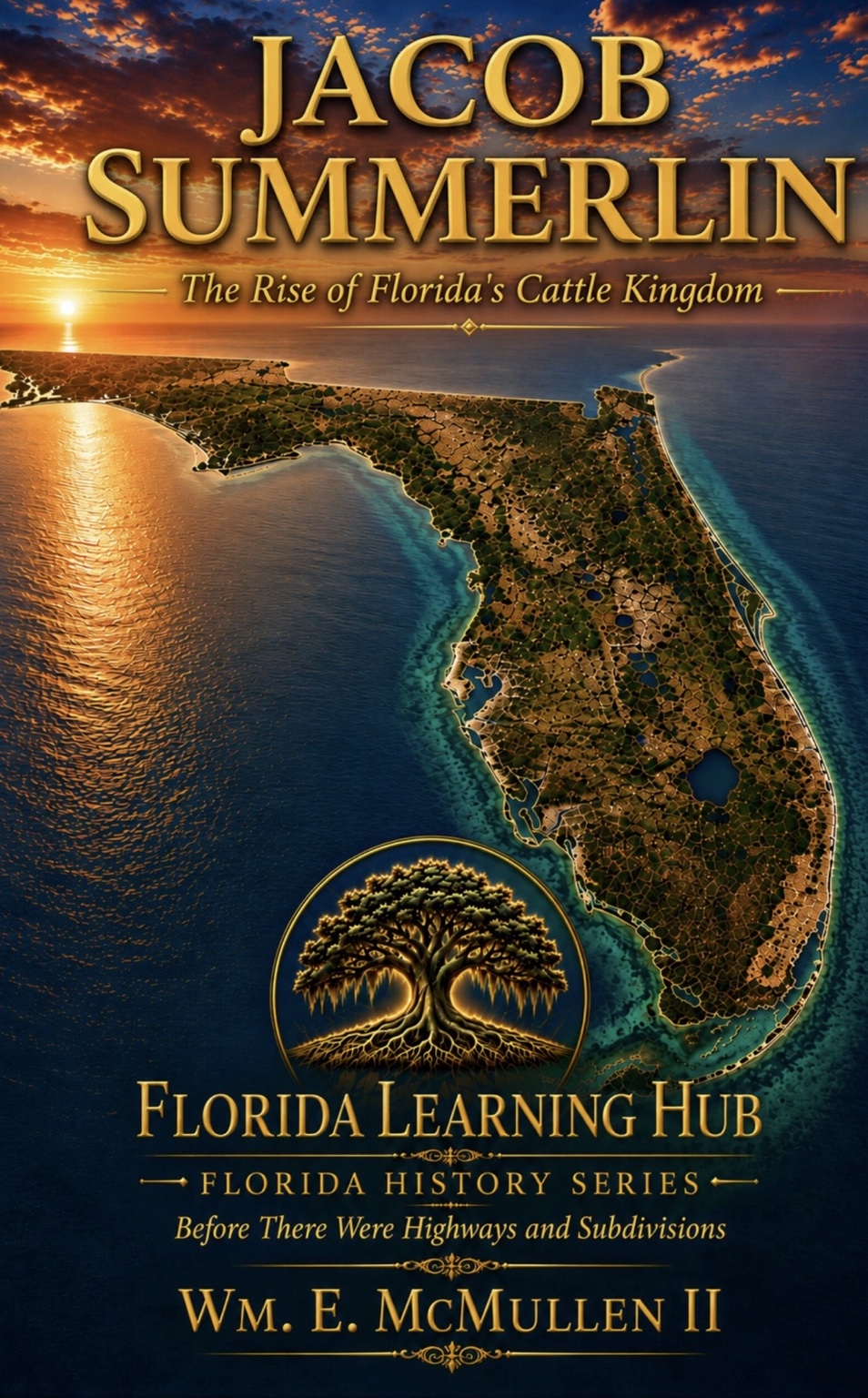
Cover of Jacob Summerlin — The Rise of Florida’s Cattle Kingdom

Jacob Summerlin — The Rise of Florida's Cattle Kingdom

Book Description

Jacob Summerlin: The Rise of Florida’s Cattle Kingdom tells the remarkable story of the man remembered as the “King of the Crackers”—a frontier cowman whose cattle empire, wartime trade, landholdings, and philanthropy helped shape nineteenth-century Florida.

Long before cattle barons became legends of the American West, Jacob Summerlin was building one of Florida’s greatest cattle fortunes. Beginning as a boy on the frontier, he learned to ride, work cattle, and use the long whip that became associated with Florida’s Cracker cow hunters. By 1860, he owned more than twenty-one thousand cattle and had become one of the wealthiest men in the state.

Summerlin’s cattle moved across Florida’s open range and through ports including Punta Rassa, where beef was shipped to Cuba and other markets. During the Civil War, he navigated divided loyalties, Confederate contracts, Union blockades, collapsing currency, and dangerous coastal trade alongside Captain James McKay.

His story is also complex. The book addresses the uncomfortable role slavery played in the beginning of Summerlin’s cattle enterprise while recognizing the decades of personal labor, business skill, risk, and adaptation that followed.

Summerlin later used portions of his fortune to help shape Bartow and Orlando. His contributions supported schools, churches, public land, and the park surrounding what became Lake Eola—leaving a legacy still visible in Florida today.

Richly illustrated and carefully researched, Jacob Summerlin is more than the biography of a cattleman. It is the story of Florida’s open range, its trade with Cuba, its Civil War cattle economy, and one man’s complicated journey from frontier cow hunter to cattle king and civic benefactor.

Book 2 in the Florida History Series — Before There Were Highways and Subdivisions.
See the Book on Amazon
Catalog Development

The FLH Bookshelf Is Growing

As the KDP listings complete publication and the final cover images are prepared for the website, each title will receive its actual book cover and direct retail information here. Future Florida Learning Hub history series will also live in this book catalog—not in the FLH Article Library or Classroom Resources catalog.

Before There Were Highways and Subdivisions.